A Tale of Two Yard Periods – for owners
One lesson repeatedly proves itself:
The success of a yard period is determined long before the vessel arrives at the dock. For vessel owners, early planning translates directly into cost savings, schedule reliability, and better project outcomes.
Recently, two very different projects at our Dania shipyard provided a clear illustration of how planning and preparation ultimately determine the success of a yard period.
The first was M/Y Carson, managed by Jim Rosenberg.
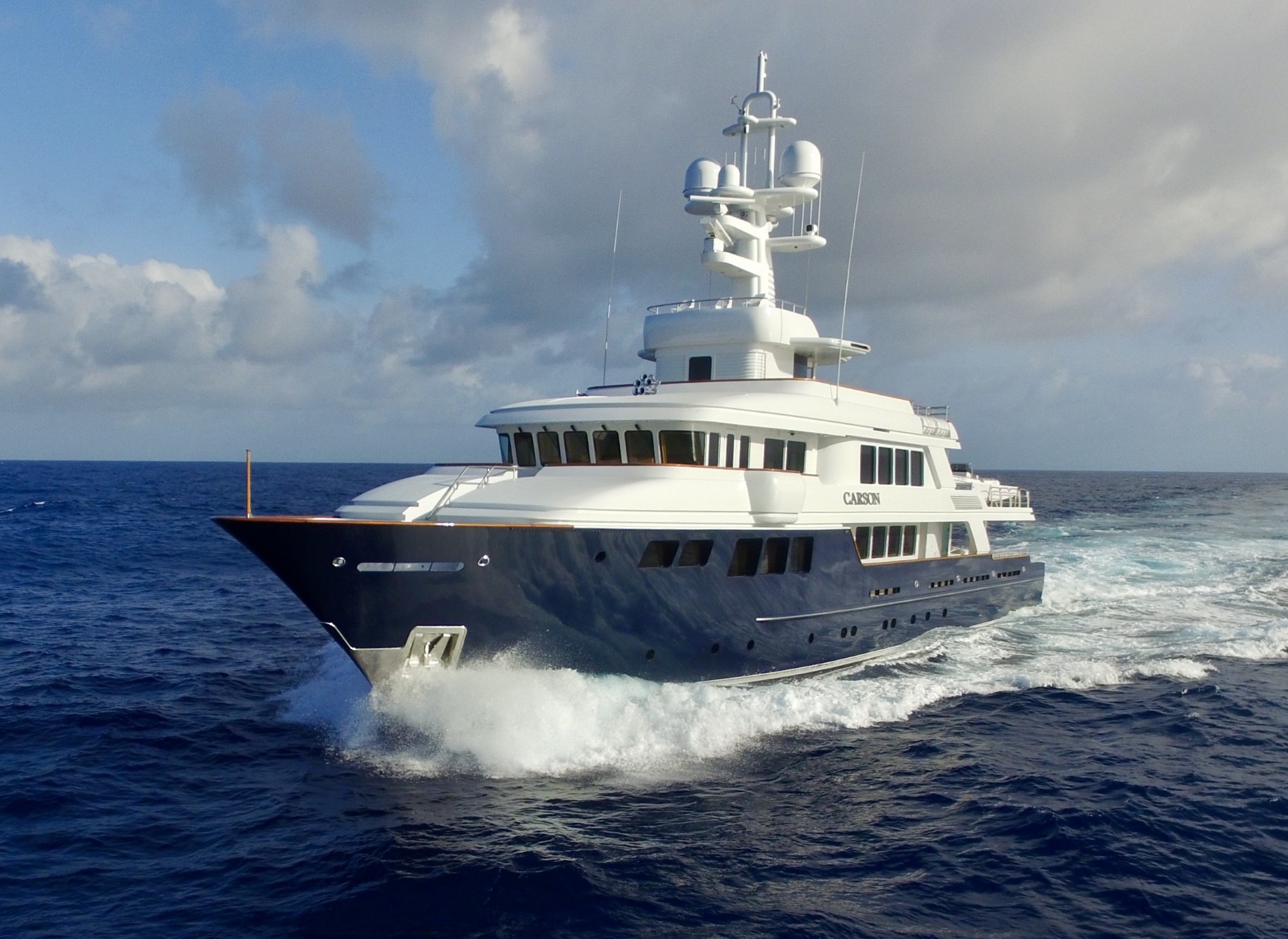
This maintenance period included a 10-year class survey, major engine service, driveline rebuilds, multiple equipment overhauls, and more than 50 individual work items. Months before the vessel arrived, the scope of work had been clearly defined. Shipyard contractors and vessel-direct contractors were identified early, allowing schedules, responsibilities, and work sequencing to be coordinated in advance. Long-lead materials were ordered, contractor schedules secured, deposits were placed, and commercial agreements were finalized. Early of planning and preparation allowed the shipyard project management team to engage months ahead of arrival, minimizing the uncertainty along the critical path and positioning the project for success.

Equally important, Jim Rosenberg served as a consistent point of contact throughout the process. From insurance requirements and contract negotiations to scope development and scheduling, communication remained clear and decisions were made efficiently between Management and Captain.
As a result, Carson’s yard period began with alignment amongst the vessel team, contractors, and the shipyard. Everyone understood the objectives and focused on execution.
As we all know, no matter how much planning goes into a maintenance period for a vessel that is more than 10 years old, surprises are inevitable.

In this case, the challenge came in the form of delayed stabilizer parts. Although this scope was contracted directly by the vessel, Derecktor Dania Beach’s Sr. Project Manager, Benjamin Riddle, kept project on track by collaborating with Derecktor’s production team to reallocating resources where needed.
Maintaining critical-path capabilities in-house—including driveline services, plumbing, structural steel, and composite repairs—gives Derecktor a significant advantage when schedules become compressed or unexpected issues arise. This flexibility allows us to adapt quickly, minimize delays, and continue driving progress even when contractor-managed scopes encounter obstacles.
The second project was a 180-foot yacht support vessel.
The vessel had been planning its yard period for many months. Scope and worklist continued to evolve right up to arrival. Contractor involvement was not fully defined in advance, and several major work items remained under discussion even as the project began. This project also struggled with multiple points of contact. Communication and project decisions were shared among vessel management, two captains, and the chief engineer, making coordination and scope alignment more challenging.
None of these circumstances are unusual. In fact, they are common throughout our industry.
When scope definition, contractor coordination, procurement, and decision-making occur late in the process, the shipyard and project team are forced into a reactive mode. Scheduling becomes more difficult, resources become harder to allocate, and work plans must continually be adjusted as new information emerges.
The contrast between these two projects wasn’t vessel size, budget, or complexity, it was project planning, clear decision making, and stakeholder readiness.
The most successful yard periods share several characteristics:
- Scope is defined early
- Critical path scope is executed and/or contracted by the shipyard
- Contractors are identified and coordinated before arrival.
- Long-lead materials are ordered well in advance.
- Commercial agreements and insurance questions are settled early.
- A clear primary point of contact is empowered to make decisions and keep the project moving.
The best executed yard periods are the projects where planning starts early. Shipyards can solve production challenges, naval architects and engineers can solve technical problems, captains and engineers can solve operational challenges, and managers can solve logistical challenges, but no one can recover weeks lost to undefined scope, incomplete planning, and delayed decisions.
The good news is that project success is largely within the control of the owner’s team. Whether the yard period is six months away or six weeks away, investing time upfront to define scope, align stakeholders, identify contractors, and establish clear decision-making authority will always improve the outcome.


